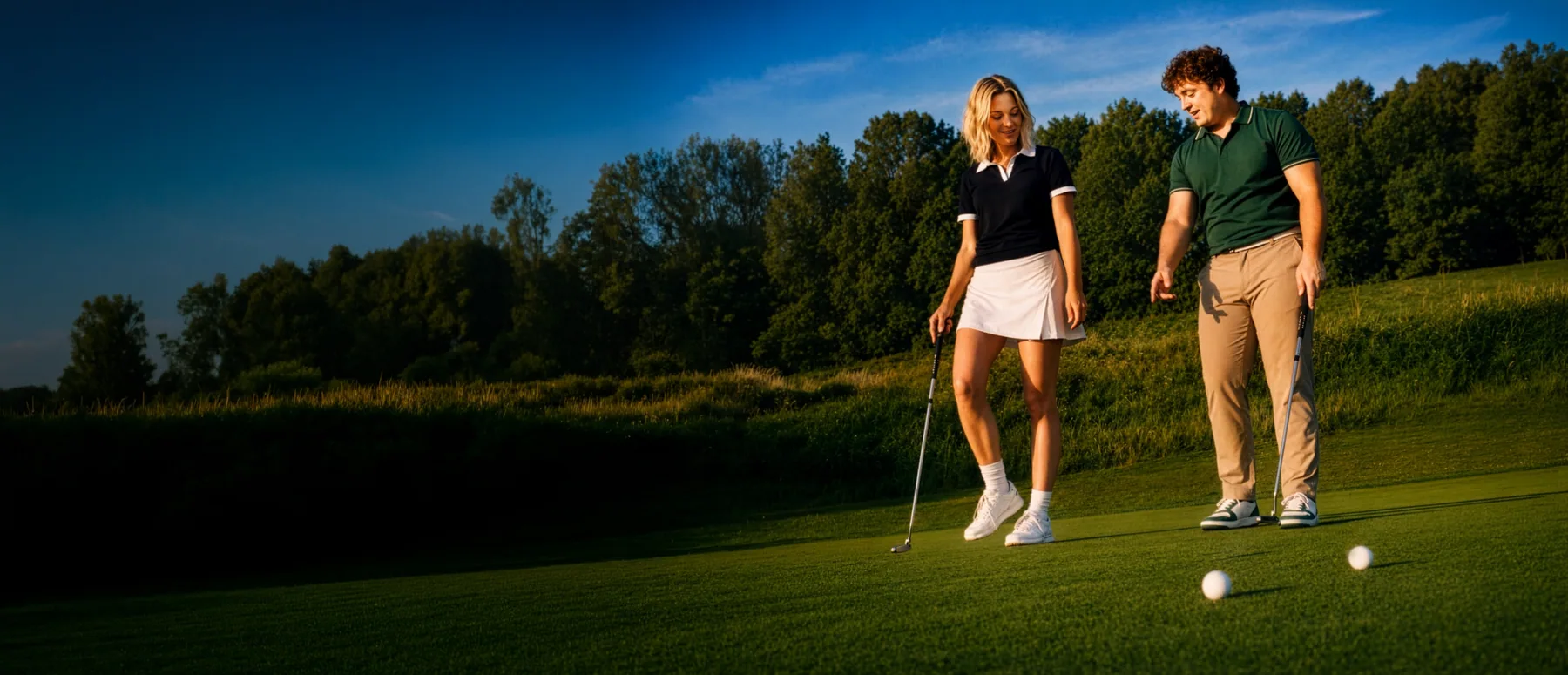
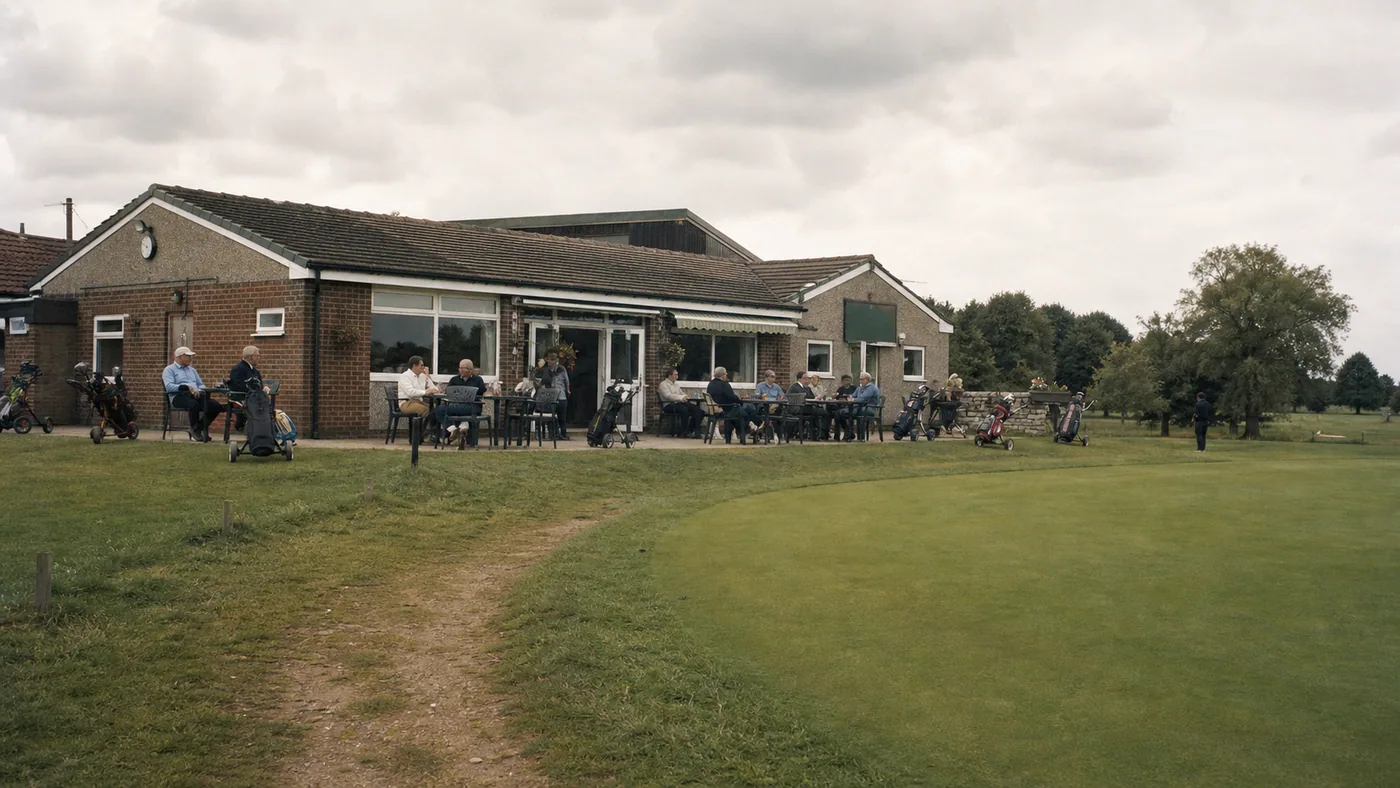
Saturday morning at the club and someone's already complaining about the greens. Too slow, apparently. Or too fast. Possibly both, depending on which hole you mean and who's had more coffee. A bloke at the bar is ordering a bacon roll before his 8:10 tee time like he's running a military operation. The greenkeepers have been out since first light, and a volunteer is trying to get the medal draw printed before anyone asks where it is.
Every face in that room is carrying something. Some of it shows. Most of it doesn't.
A golf club is a cross-section of real life: members of every age, staff doing demanding jobs, and volunteers fitting club duties around everything else. It's tempting to think of mental health as something that happens somewhere else, to other people. The numbers suggest otherwise.
- 1 in 4
adults in England experience mental ill health. Members, staff and volunteers alike.
- £51bn
is what poor mental health costs UK employers every year. Clubs are employers too.
Sources: NHS England; Deloitte, Mental health and employers (2024).
Where people spend their time matters
Mental health isn't only shaped in a GP's surgery. It's shaped by where people spend their time, who they spend it with, and how those places make them feel. For thousands of people, one of those places is a golf club, whether they play there, work there or volunteer there.
Golf itself already helps.
Fresh air and green space
Hours outside, whatever the forecast promised.
Exercise
A few hours on your feet, even if some of it is spent looking for a ball in the rough.
Focus
For a few seconds over every shot, there's no room to think about anything else.
A busy brain
Yardages, reading greens, and adding up a scorecard that refuses to add up.
People
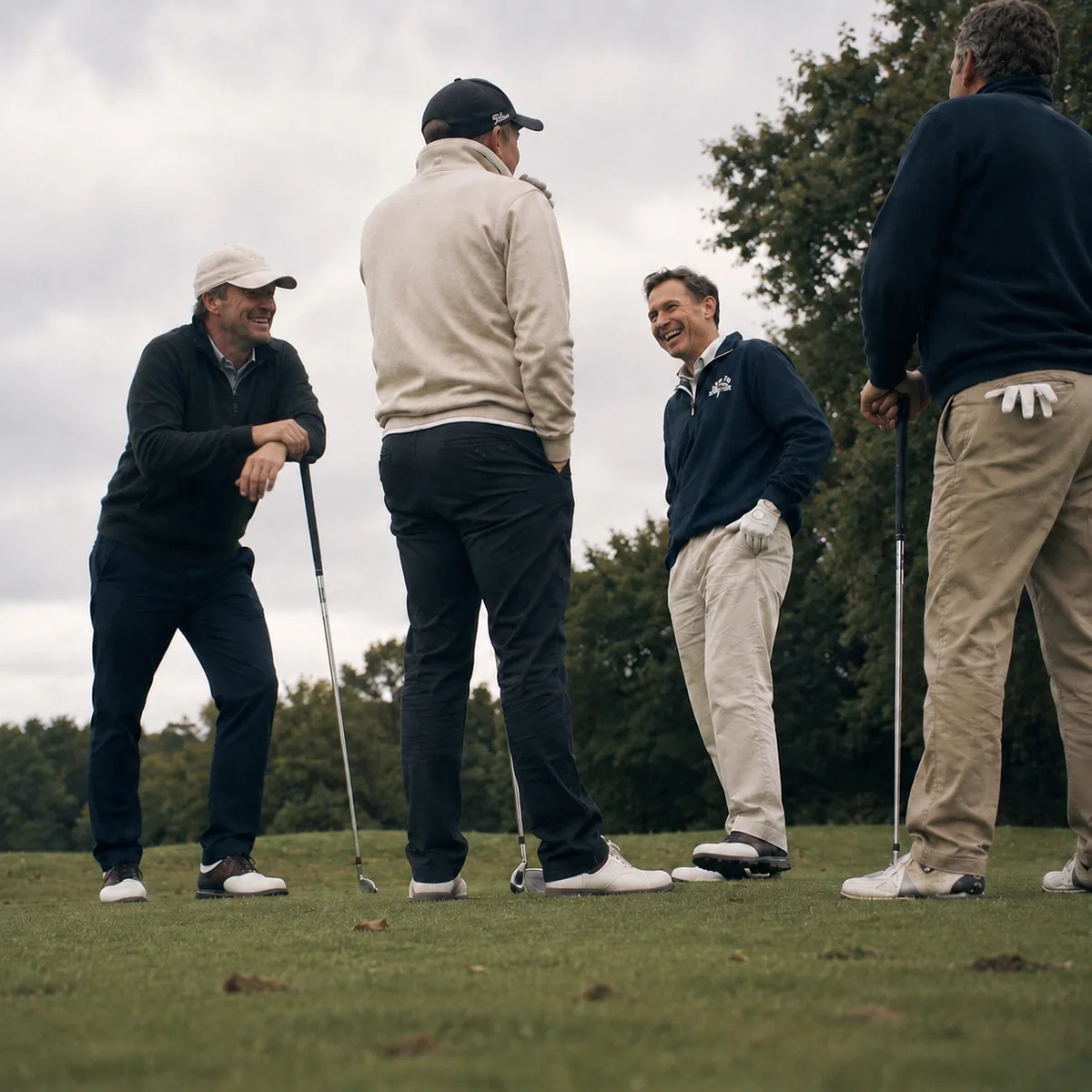
A fourball, a chat on the tee, a drink afterwards.
The biggest thing a golf club offers isn't on the course
Strip away the memberships, the committee meetings and the dress code arguments that have somehow turned into feuds, and a golf club is one of the few places left where people of almost every age, background and handicap gather regularly, for hours at a time. For staff, it's also a workplace, and how it's run shapes how they feel at the end of every shift.
That makes a club an accidental support system: part community centre, part escape hatch. It's not a therapy centre, and nobody's asking it to be. But it is a community, and that matters more than it might seem.
Some of the people most at risk are already part of club life.
- 3 in 4
suicides in England are men.
- 50 to 54
is the age group with the highest suicide rate among men. The average male golf club member is in his mid-fifties.
- 2 or 3
people in England die by suicide in the time it takes to play a round of golf.
If this raises anything for you, Samaritans are there any time on 116 123.
Based on 5,717 suicides registered in England in 2024. Inquests take time, so many of these deaths happened in earlier years. A round is taken as about four hours. Sources: ONS, Suicides in England and Wales (October 2025); Samaritans; England Golf membership data.
What a club can do with what it already has
A club that takes this seriously can:
Make mental health a normal part of club life, in how the club is run and how it talks to people.
Help everyone feel connected, whether they joined last week or forty years ago.
Look after the people who keep it running, taking staff and volunteer wellbeing as seriously as the state of the greens.
Make support easy to find, well before anyone needs it.
Know what to do when someone needs help, who does it, and how to keep it private.
Nobody needs to be an expert. The rest of this toolkit shows you how.
It's good for the club too: members stay, staff and volunteers feel supported, and new members notice. See how
Your club already makes people's lives better. It could do a lot more.
We think the strongest part of golf was never the game. It was the people. The catch is that everyone's got very good at looking fine, and the next page is about why.